Marquette, MI · Garage Door Service
Most Marquette houses went up between 1941 and 1988, before today's insulation codes. Here's what that means for your door, spring, and opener in a cold-severe climate.
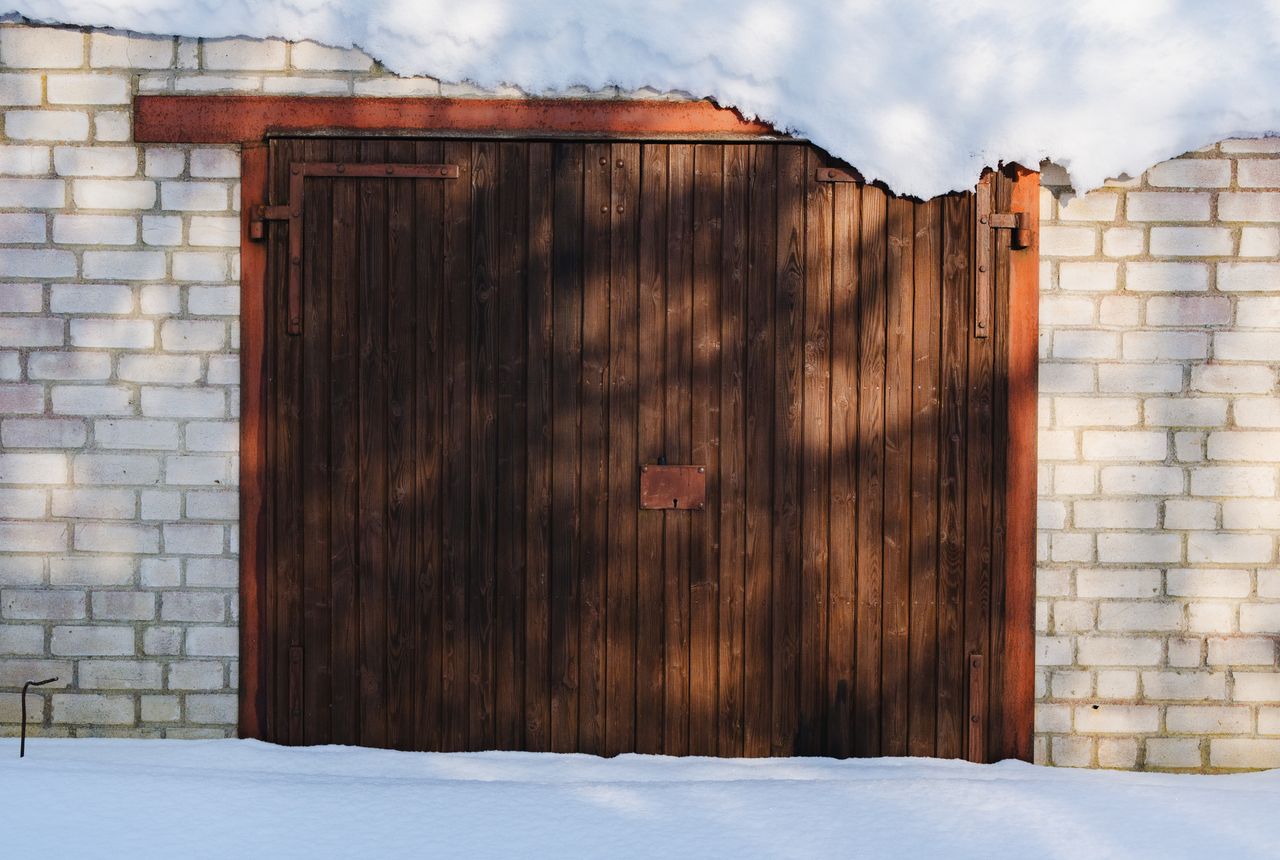
Most of the housing stock in this service area went up between 1941 and 1988, with the median build year landing around 1971. That's a long stretch of postwar and Cold War-era construction, and it shows up in the garages, not just the houses. Doors on these homes were built to a much older insulation standard than anything sold today, if they were insulated at all. Across the ten named areas we work in - Trowbridge Park, Harvey, Negaunee, Richmond, West Branch, Ishpeming, West Ishpeming, and Gwinn among them - the pattern repeats: single-layer steel or wood panel doors, torsion springs sized for lighter, thinner slabs, and openers that predate anything with a battery backup. None of that is a defect. It's just what a door looks like when it was hung in 1971 and never touched again. The problem isn't age by itself - it's age combined with a climate band this severe. A door built for a mild winter somewhere else was never the plan here, and it's not what's on these houses. What you've got is original-era hardware doing a cold-climate job it was never rated for, and that gap is where most of the calls we get start.
Call when the door won't stay up on its own - that's a spring losing tension, and on a house from this era it's very likely the original spring or a direct replacement of it, sized the same way. Call when the opener strains, grinds, or reverses partway; motors from the 1970s and 80s weren't built with the load-sensing safety reversal that's standard now, and a strained motor on old gearing is a motor near the end. Call when you see daylight around the panel edges in winter - on a door this old, that's usually the weatherstrip and threshold giving up, not a structural problem, but it's worth a look before it becomes one. And call before a spring fails completely, not after: a fully snapped torsion spring on an unopened double door is a heavier, more dangerous job than a spring that's just gotten soft. One honest note: if the track is bent or the panel is dented but the door still lifts and seals fine, that's cosmetic. We'd rather tell you it can wait than sell you a job you don't need yet.
Not every symptom on a house this age needs an immediate service call, and with a median household income of $68,262 across roughly 8,020 owner-occupied houses in this area, we know most people are budgeting a repair, not writing a blank check for one. A door that's a little noisy but still opens smooth and seals tight can usually wait for a scheduled visit rather than an emergency one. Cosmetic dents, faded paint, a slightly slow close - none of that is urgent on its own. What changes the calculus is the cold. In a climate band this severe, a door that's marginal in October can be a door that won't seal, won't lift, or won't stay up by January, because cold steel contracts, old lubricant thickens, and springs lose a little more tension every freeze-thaw cycle. So the honest answer is: wait if it's just noise or looks. Don't wait if it's tension, seal, or motor strain going into the cold months - those get worse, not better, on their own.
The climate here is classified cold-severe, and that's the variable that turns ordinary age into an actual problem. Steel contracts in deep cold, which tightens tolerances on tracks and rollers that were already worn from decades of use. Torsion springs lose a measurable amount of lifting force as temperature drops, and a spring that was already sized for a lighter, older-style door has less margin to begin with. Openers from the 1960s-70s stock era weren't built with cold-rated lubricants or sealed bearings, so winter is when a marginal motor finally quits. None of this is unique to one house - it's the pattern across the roughly 11,981 households in this service area, most of them sitting on housing stock from the same postwar decades. A door on a 1971-built house in a severe-cold band is doing more work every winter than the same door would in a milder climate, and the wear compounds year over year instead of resetting.
Cold steel contracts, which tightens track and roller tolerances, and torsion springs lose lifting force as temperature drops. On a door built to a 1960s-70s standard, that margin was already thin. In a climate band this severe, that combination is what pushes a marginally worn door into an actual failure during winter.
Not automatically. But openers from the 1960s-70s era of this housing stock predate load-sensing auto-reversal that's standard now. If yours is straining, grinding, or reversing on its own partway through a cycle, that's worth a call rather than waiting, especially heading into a severe-cold winter.
If it's cosmetic - a dent, faded paint, minor noise - and the door still lifts smooth and seals tight, it can usually wait. If the door won't hold its position, the opener is straining, or you see daylight around the panel in cold weather, call before winter deepens it into a bigger job.
Call now or request a free quote - same-day service on most repairs, upfront written pricing.