Marquette, MI · Garage Door Service
Most Marquette homes date to 1941-1988, and the cold decides more than age does. Here's how to tell if your garage door is worth repairing.
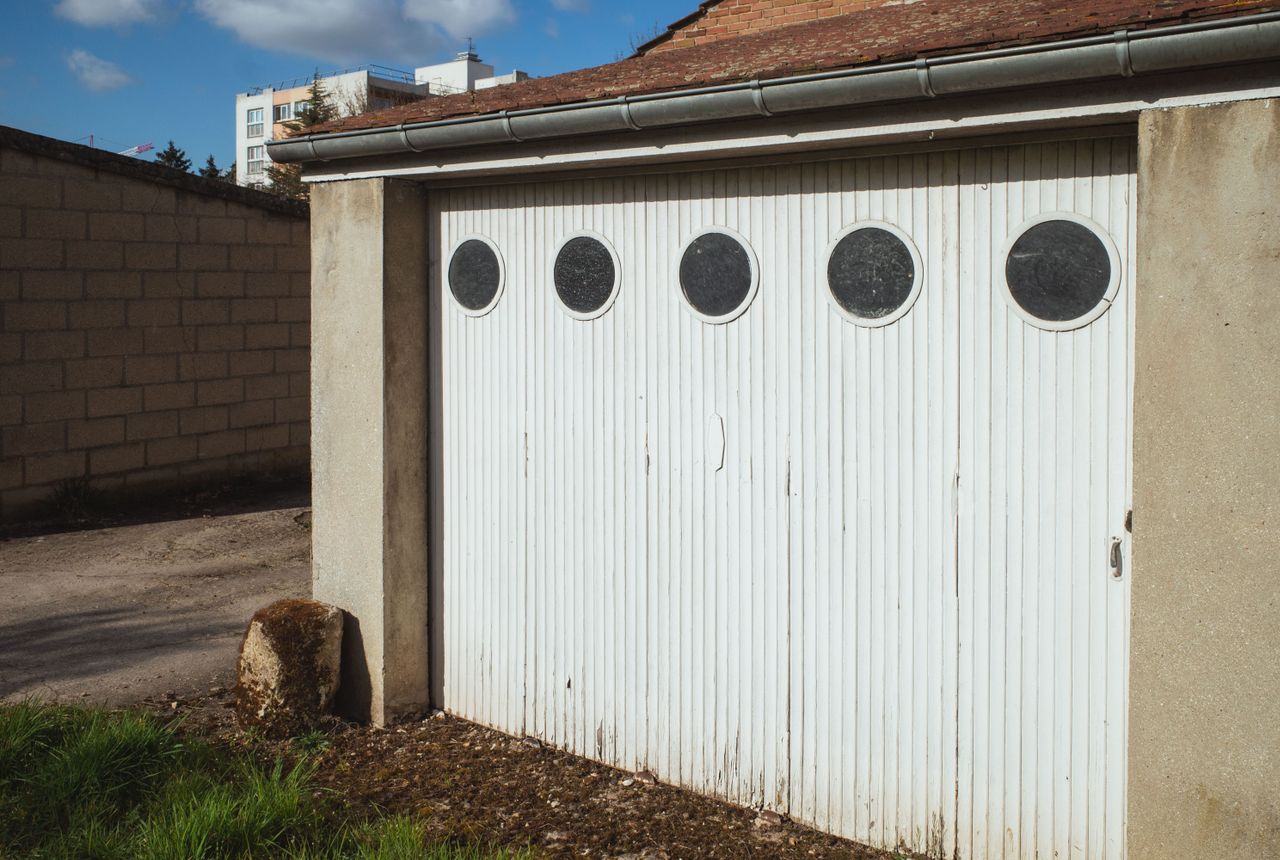
Most of the housing around Marquette went up between 1941 and 1988, with the median build year landing around 1971. That means a lot of doors and openers in this area are original or close to it - steel panels from an era before insulation was standard, springs sized for hardware that's been discontinued, and openers with chain drives that have outlived their warranty by decades. Across the ten named areas that make up this stock, the pattern repeats: 1960s and 70s construction, single garage bays, doors that have taken forty or fifty winters of freeze and thaw.
That age isn't automatically a problem. A steel door from 1971 can still run fine if the track is straight and the spring hasn't fatigued. But it does mean that when something goes wrong, you're often dealing with parts that no supply house stocks anymore, and a repair that would take twenty minutes on a newer door can turn into a rebuild. Knowing which situation you're in - a fixable door versus a door that's done - saves you from paying twice.
Call when the door won't open evenly, when one side drops faster than the other, or when you hear a bang from the spring area - that's usually a torsion spring letting go, and on a door this age it can take the cable drum or track hardware with it if it's ignored. Call also if the opener is original to a 1960s or 70s build: those motors weren't built with modern safety reversal, and a worn gear set on an old chain drive is a slow failure, not a sudden one.
The honest limit here: if the door itself is original steel from that era and the bottom panel has rusted through from decades of snowmelt sitting against it, that's not a spring job or a cable job - that's a door that needs replacing, and no amount of adjustment fixes rot. We'll tell you straight when a repair isn't worth doing.
Doing nothing is a reasonable call more often than people think, especially on a house built in this window where the door has already proven it can take the winters. If the door opens level, the rollers aren't grinding in the track, and the spring still has tension, you don't need to act just because the door is fifty years old. Median household income in this area sits around $68,262, and across roughly 8,020 owner-occupied houses here, most people are weighing a repair bill against a full replacement - waiting a season while you watch for the warning signs above is a fair way to make that call without guessing.
What doesn't wait: a spring under tension that's visibly stretched or gapped, or a cable that's fraying. Those don't improve with time, and in cold weather they tend to fail on the coldest morning, not the mildest one.
This area sits in a severe cold climate band, and that changes what
Often yes. If the track is straight, the panels haven't rusted through, and the spring still holds tension, a repair on hardware this age is usually cheaper than replacement. The exception is a steel door with rot or rust damage at the bottom panel - that's a replacement, not a patch.
Cold makes steel more brittle, and a spring that's been cycling for decades on a house built in the 1960s-70s window is already near the end of its life. It doesn't fail because of one cold snap - it fails because years of flexing meet a temperature swing at the wrong moment.
If it's a chain-drive unit with no keypad, no rolling-code remote, and a manual reset button rather than a digital display, it's likely from the same era as a lot of the housing stock in this area - built well before modern safety reversal requirements existed.
Call now or request a free quote - same-day service on most repairs, upfront written pricing.