Marquette, MI · Garage Door Service
Most Marquette garage doors were installed when houses went up between 1941 and 1988, and severe cold snaps break torsion springs faster than owners expect.
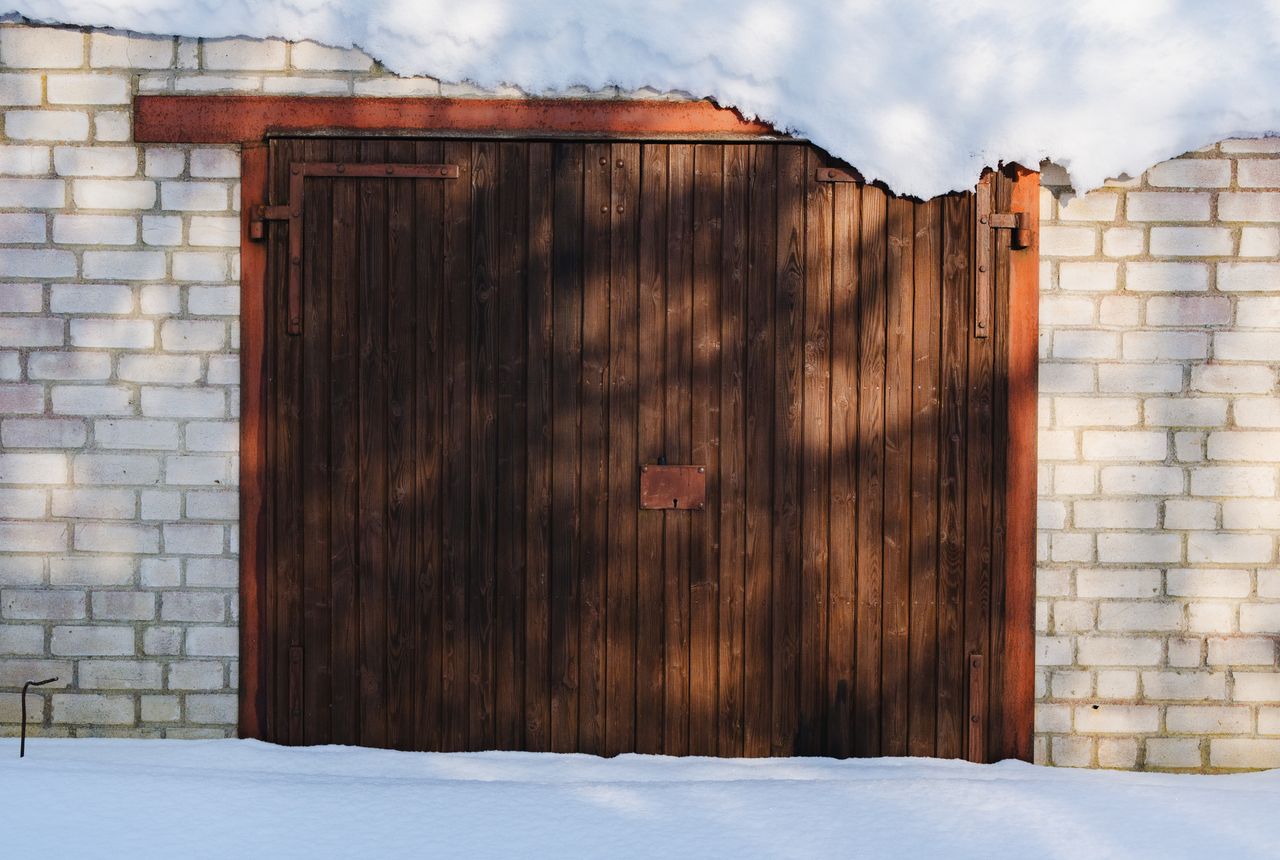
Most houses in the Marquette area were built between 1941 and 1988, with the median landing around 1971, and the ten named areas we cover - Trowbridge Park, Harvey, Negaunee, Richmond, West Branch, Ishpeming, West Ishpeming, and Gwinn among them - mostly carry that same 1960s-70s housing stock. That matters because a torsion spring installed on a house built in 1965 has had close to sixty winters to work through. Steel fatigues. It doesn't announce itself first.
With roughly 11,981 households and 8,020 owner-occupied houses across the service area, a lot of doors out here are original or close to it - one-piece slabs on side-mounted torsion setups, or early sectional doors with hardware nobody stocks new anymore. Marquette also sits in a severe cold climate band, and cold is the single biggest factor that turns a tired spring into a broken one. A spring under load contracts as steel gets brittle in low temperatures, and the coil that would have held through one more summer snaps clean in January instead. This isn't a scare story - it's just what happens to 50-year-old steel in a place that gets genuinely cold.
Call when the door won't lift, or lifts only partway and stops. Call when you hear a loud bang from the garage on a cold morning - that's very often the torsion spring letting go, and if it happens the door will feel unusually heavy or won't move under opener power at all. Call if a cable has come off a drum, if a panel has visibly bowed, or if the door drops fast instead of lowering evenly.
On houses from the 1960s-70s stock common here, the springs and drums are often the original units, and once one side goes, the other side is usually close behind - it's carried the same load for the same number of winters. Don't try to release the spring tension yourself; a wound torsion spring under a Marquette winter's cold snap is stiffer and more dangerous to handle than the same part in summer. If the opener is straining, grinding, or reversing partway through the cycle, that's a call, not a wait-and-see.
Not every noise means a service call. A door that's a little slower to open on the coldest mornings, or rollers that squeak until they warm up, can often ride out the season if the door still opens and closes fully and evenly. Lubricating the rollers, hinges, and springs before the deep cold sets in buys real time on older hardware.
Here's the honest limit: if your springs are original to a house built in the 1960s or 70s, they are past any reasonable service life regardless of how they sound right now, and a repair on one side is likely to be followed by a failure on the other within a season or two. In that situation, replacing both springs as a pair costs less in the long run than paying for two separate service calls months apart. We won't talk you into replacing a spring that has years left in it, but we also won't pretend a matched pair from the Nixon era is a long-term bet.
Marquette's severe cold climate band is the variable that changes everything about spring timing here. A spring that would coast for another two winters in a milder climate gets pushed past its limit faster when temperatures swing hard and stay down. Homes closer to the water, like those toward Trowbridge Park two miles out, and homes further inland toward Negaunee and Ishpeming, all sit in the same cold band - this isn't a microclimate issue, it's a regional one.
With a median household income of $68,262 across the service area, most owners here are deciding between a targeted repair and a full replacement, not defaulting to the most expensive option. That decision should factor in the age of the door as much as the symptom - a snapped spring on a door built when the house went up in the 1960s or 70s is a different conversation than the same spring on a door installed five years ago. We size springs to the door's actual weight and cycle count, not to a generic chart, because a door built to 1971 standards doesn't weigh the same as one built to today's code.
Cold steel is more brittle steel. A torsion spring that's been flexing for decades loses a little elasticity every winter, and a hard cold snap is often what finally pushes a fatigued spring past its breaking point. It's less about that one morning and more about every winter before it.
Usually not on its own. If the spring is original to a house from that era, the other spring on a double-spring setup is carrying the same wear. Replacing both together, rather than one now and one later, is usually the better move for houses of that age.
If the door still opens and closes fully, yes, that's often fine - lubricate the moving parts and keep an eye on it. If it's stopping partway, reversing, or you hear a bang, that's not a wait situation regardless of season.
Yes. Doors built when houses here went up in the 1960s and 70s often use different track and drum setups than doors built today. We size the replacement to your actual door and its weight, not a generic size.
Call now or request a free quote - same-day service on most repairs, upfront written pricing.